

Playing solo can be fun, but let’s be real: the true magic of gaming often happens with others. Many gamers miss out on the rich experiences that come from effective teamwork. It’s frustrating, right?
I’ve spent countless hours in multiplayer worlds, watching how collaboration shapes play. I get it. I’ve seen firsthand how team dynamics in gaming can raise a session from ordinary to unforgettable.
This article dives into the details of collaborative interactions. I’m not just throwing around theories; I’ve experienced the highs and lows of teamwork in gaming. You can trust that I speak from experience.
By the end, you’ll understand how to appreciate and master collaboration in gaming. You’ll learn how to build a team that makes the game better for everyone involved. Let’s explore how working together can open up experiences you didn’t even know you were missing.
Gaming Together: The Power of Collaboration
Collaborative interactions in gaming aren’t just about playing nice. They’re about pooling skills and resources to reach a common goal. This isn’t simply multiplayer.
Here’s the thing: these interactions create combo. It’s where the combined effort of a team is more effective than any one player could achieve alone. Team dynamics in gaming are key here.
It’s about genuine teamwork. Think about healing your buddy in an RPG or coordinating on a puzzle in an adventure game. That’s real collaboration.
But don’t confuse this with just any team play. It’s not just playing alongside others. It’s mutual support and synchronized action.
Look at survival games. Sharing resources is important. Or in shooters, defending a point together makes you unstoppable.
The tech behind this? Modern game design and network infrastructure let us have these complex, real-time interactions. It’s like magic (but not really).
Sure, competition is thrilling. But there’s something uniquely satisfying about working together. We all know it.
The feeling you get when a plan comes together is unmatched. So next time you game, think about the power of collaboration. It might just change how you play.
Why Collaboration Is Key: Gamers Unite
Ever tried soloing a boss only to get crushed in seconds? Yeah, me too. But team dynamics in gaming can change everything.
Working as a team sharpens key skills. Think about it. Communication, strategic thinking, problem-solving under pressure (these) aren’t just buzzwords.
When we’re playing together, we create unique, memorable moments that stick with us. I’ve found that the thrill of shared victories often overshadows solo play. It’s not just about winning; it’s about how we win.
They’re important skills we hone when faced with in-game challenges. And let’s be honest, who hasn’t had to adapt on the fly when plans go awry?
Community-building is another huge perk. Shared experiences with friends lead to strong social bonds and a real sense of belonging. We’ve all had those late-night gaming sessions that forge lasting friendships, right?
Teamwork lets us conquer the otherwise impossible. Formidable bosses and detailed puzzles become manageable when we share the load. Plus, collaboration reduces frustration.
Ever notice how celebrating collective progress makes tough sections more enjoyable?
If you’re serious about leveling up, check out Mastering Esports Plan. It’s a game-changer. So, are you ready to team up and dive into the action?
Teamwork Flavors: Dive into Collaborative Interactions
Ever wonder how team dynamics in gaming shape the experience? Let’s start with direct cooperation. It’s when players actively help each other.
Like a tank shielding a healer. You know, straight-up teamwork.
But then there’s indirect cooperation. Think sharing map intelligence. Or crafting items for teammates.
It’s subtle but key. You’re not in each other’s faces, yet still working together.
Now, asynchronous collaboration is fascinating. Players connect across different times. Leaving helpful messages or building structures for others.
It’s like time travel for gamers. I mean, who doesn’t want to feel like Doctor Who?
Role-based collaboration is classic. Healers, tanks, DPS, support (everyone) has a part to play. These roles create interdependent loops.
Without a healer, the team’s toast. But with balance? Magic happens.
Then there’s emergent collaboration. No game mechanics required. Players naturally form alliances or share strategies.
It’s organic. Sometimes, the best moments come from unexpected teamwork.
The psychology behind these interactions is intriguing. It even ties into Psychology Competitive Gaming Success. Understanding how we collaborate can boost your in-game prowess.
So, what’s your favorite teamwork flavor?
Designing for Togetherness: Games That Bring Us Together
I’ve always believed that the best games are the ones that make you work together. Collaboration isn’t just a buzzword; it’s a necessity in many games today. Ever tackled a raid in an MMO or solved a puzzle that required three people to hit switches at the same time?
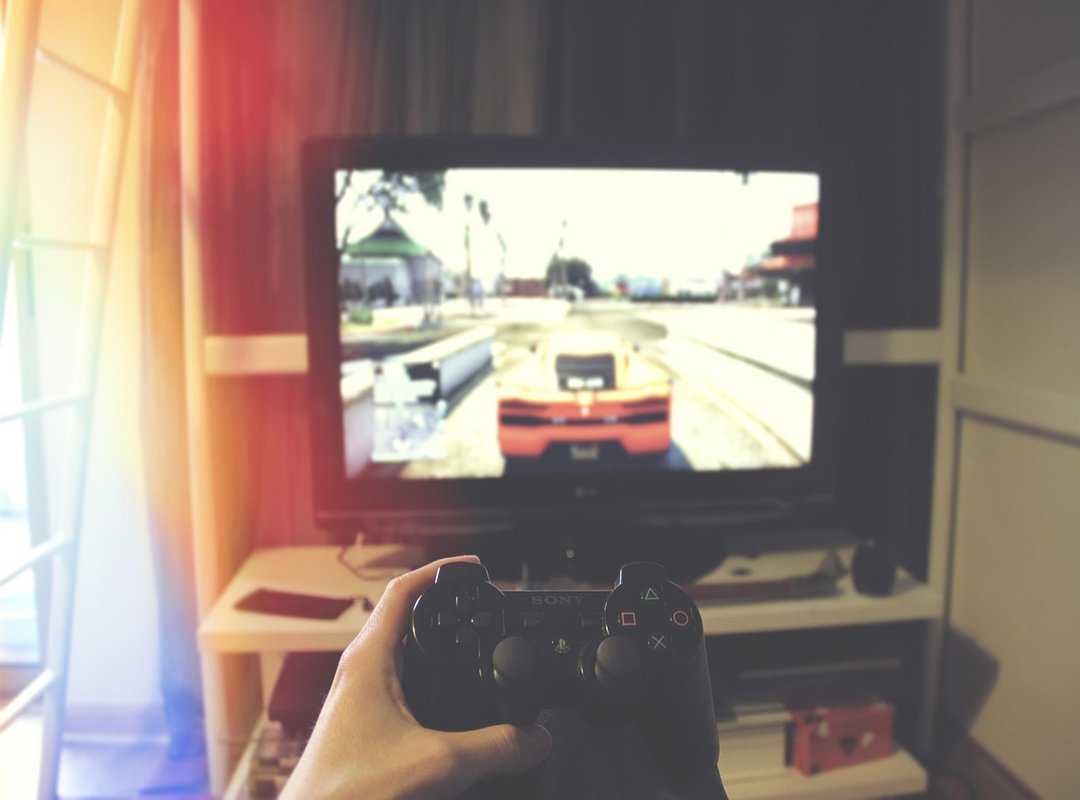
If you have, then you know what I’m talking about. These mechanics aren’t just there for fun. They’re key for fostering teamwork.
Take linked abilities, for instance. They force players to rely on one another. You can’t just run off and do your thing.
You have to think about how your actions affect everyone else. It’s this kind of design that makes games more than just entertainment. They’re a lesson in team dynamics in gaming.
And let’s not forget about in-game communication tools. Voice chat, text chat, even simple emotes can make or break a team’s success. You can’t collaborate if you can’t communicate.
If you’re curious about how this plays out, check out team dynamics in gaming.
The reward systems also play a big role. Shared loot and team-based achievements make every victory feel like a group effort. They incentivize collaboration and make every player feel valuable.
Beyond the Screen: Building a Collaborative Gaming Mindset
When it comes to team dynamics in gaming, communication is everything. You don’t want to be that player who drones on and loses the team’s attention. Keep it clear and concise.
Honestly, sometimes less is more. Positive reinforcement can work wonders too. Ever noticed how a simple “nice shot” can boost morale?
It’s like magic.
Understanding your role in a team is key. But flexibility? That’s even better.
I’ve been there, stuck in a role I thought I couldn’t handle, only to adapt and nail it. Being adaptable can turn a game around. We all have different skill levels, playstyles, and personalities.
Cultivating patience and empathy is key. It’s not always easy, but it’s worth it.
Failures aren’t the enemy; they’re opportunities. I used to beat myself up over losses until I started analyzing what went wrong. It changed everything.
Learning from mistakes is how you improve strategies and team dynamics.
Finding like-minded players can be a game-changer. Trust me, connecting with communities that value collaboration can raise your gaming experience. Dive into forums, join groups, or attend gaming events.
You never know where you might find your next gaming buddy.
Level Up Your Game
You now understand how collaboration transforms gaming. Missing out on team dynamics in gaming means missing the most rewarding parts of your experience. Collaboration isn’t just fun; it boosts your skills and builds community.
Why play alone when you can share that thrill? I challenge you to seek out collaborative experiences. Try a new co-op game or engage more deeply with your gaming community.
You’ll find that connection enhances your enjoyment like nothing else. Don’t wait. Dive in and embrace collaboration.
Your next gaming session could be your best yet. Ready to open up that potential? Go for it!
 pancake776 has opinions about gaming culture. Strong ones, usually backed by actual experience instead of detached commentary from the sidelines. They covers Game Development Practices, Gamer Lifestyle Essentials, and Gaming Innovations with a perspective that feels unusually grounded compared to much of modern gaming media. pancake776 seems genuinely interested in the relationship between players and games — not just what people are playing, but why certain systems, communities, and experiences continue to matter over time.