
We’ve shifted from passively watching movies to actively shaping our entertainment. Why are we so drawn to games where our choices matter? This article digs into the rising simulation games popularity, exploring why interactive experiences connect with us.
I’ll break down the psychological needs driving this trend, backed by real-world observations and solid industry takeaways. This isn’t just about the latest games; it’s about understanding a fundamental change in how we engage with stories and experiences.
I’ve spent countless hours analyzing gaming trends and player psychology. I’ve seen firsthand how technology transforms our interactions.
If you’ve ever wondered what makes these games tick, you’re in the right place. By the end, you’ll have a deeper understanding of the driving forces behind this phenomenon and why it matters to all of us. Let’s dive in.
Beyond the Screen: Defining Interactive Gaming Experiences
You know what makes gaming truly special? It’s not just pressing buttons or staring at a screen. It’s the player agency and decision-making that pull you into a story.
Unlike movies or TV shows where you sit passively, games demand your input. This isn’t just about saving princesses anymore.
Think of role-playing games. They offer branching storylines where your choices actually matter. Ever played an RPG and felt like you screwed up the whole world with one bad decision?
That’s player consequence in action. Compare that to sitting through a linear movie. There’s no room for mistakes or alternate endings.
You just watch.
Then there are sandbox games. They’re all about creative freedom. Want to build a skyscraper in the middle of a desert or flood an entire village?
Go for it. It’s your call. Narrative-driven adventures also offer this kind of engagement.
Your choices carry weight, creating a sense of personal investment.
Simulation games have their own appeal, which ties into the simulation games popularity we’re seeing today. The deeper connection formed through direct engagement in games makes these experiences uniquely personal. Does the personal touch beat the passive viewer experience?
Absolutely. Games breathe life into stories because you’re living them, not just watching them unfold. That’s what separates truly interactive experiences from mere spectatorship.
The Psychological Magnetism: Why We Crave Agency and Immersion
Why are simulation games so popular? It’s simple: they give us what we crave (control.) In a world where every decision can feel like it’s made for us, these games put the power back in our hands. We control our destiny, even if it’s just in a virtual world.
Ever felt that rush when you’re so engrossed in a game you lose track of time? That’s the flow state. It’s like being in the zone during a sports match or a great book.
Interactive games are crafted to pull us into this state because they know how much we love it.
But it’s not just about flow. When you’re responsible for your character’s successes (or failures), you form a bond. A deep one.
It’s personal. You feel more invested in the narrative. And let’s not forget escapism.
These games let us safely explore new identities without real-world consequences.
Curious about how indie games are making waves? Check out how Indie Games Stealing Show. They’re shaking things up with unique experiences.
In the end, whether it’s simulation or indie games, they fill our deepest desires for agency and immersion. That’s why we’re hooked.
Building Bridges: Gaming’s Social Power
Interactive gaming isn’t just play. It’s a social revolution. Ever noticed how games like MMOs and co-op shooters bring people together?
They create shared experiences that are more real than virtual. This isn’t just about shooting pixels. It’s about collective goals that make players bond.
Minecraft and Roblox are prime examples. Players aren’t just playing; they’re creating. These platforms give gamers the tools to build and mod, fostering authentic social engagement.
It’s amazing to see how player-driven content turns into lively communities. Honestly, it’s something traditional media can’t replicate.
Then there’s streaming. Platforms like Twitch turn passive watching into active participation. Viewers influence gameplay, adding a new collective layer to the gaming experience.
It’s not just about watching someone play. It’s about being part of the story.
Games are also a breeding ground for friendships. I’ve seen it happen countless times. People meet online, work together, and end up forging real-life connections.
It’s a solid reminder of gaming’s role as a community builder.
And let’s not forget simulation games. Their popularity is soaring, and according to the global online simulation games market, they’re driving this social shift too. Games aren’t just entertainment.
They’re a hub for connection and belonging. Where else can you find that kind of magic?
Tech and Gaming: A Perfect Match
You know what makes simulation games really popular? Technology. It’s like giving them a turbo boost.

Improved graphics and physics engines make these virtual worlds look and feel more real than ever. You see a car crash in a game, and it’s almost like you’re in the driver’s seat. And let’s talk sound.
Advanced audio design pulls you in deeper, making every explosion and whisper count.
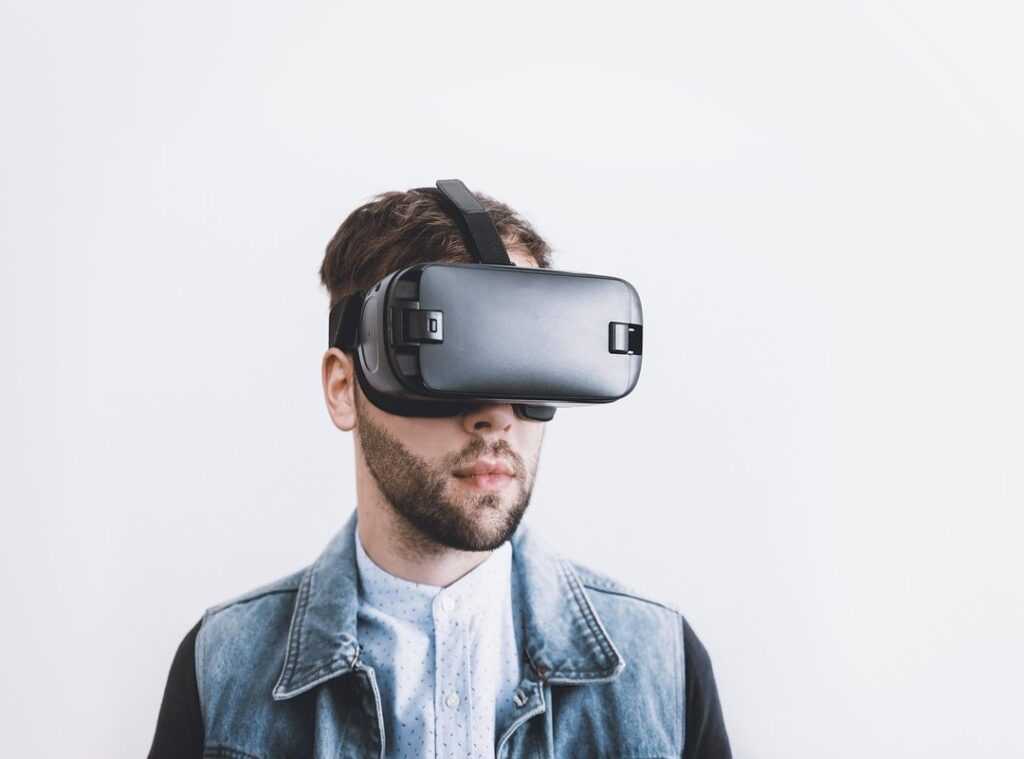
Virtual Reality and Augmented Reality are the ultimate tools for immersion. They blur the lines between player and game. Ever tried VR?
It’s a game-changer (no pun intended). These technologies make it feel like you’re actually there, not just watching a screen. It’s not just about seeing; it’s about experiencing.
Sophisticated AI brings games to life by creating changing, responsive environments. NPCs react in ways that make you think they’re almost human. This keeps things fresh and exciting every time you play.
Plus, cloud gaming and cross-platform play make these experiences more accessible. No more worrying if your hardware is up to snuff.
Want to explore even more about gaming? Read more about how horror games use these technologies to scare your socks off. Trust me, it’s worth it.
The Horizon of Play: Interactive Futures
to the future trends of interactive experiences, where user-generated content is king. Have you noticed how the lines between games and other media like films are blurring? It’s fascinating.
Interactive films and live-service storytelling aren’t just trends; they’re becoming staples. And it’s not ending there.
Think about simulation games. Their popularity isn’t just a fluke. They tap into our desire for personalized experiences.
But here’s the kicker: procedural generation is pushing this further by creating worlds that are infinitely replayable. Imagine an educational program or fitness app using gaming principles to engage users. Gamification is not just a buzzword; it’s a reality seeping into sectors like education and professional training.
Looking ahead, innovations like haptic feedback and brain-computer interfaces are on the horizon. They’re set to redefine immersion. It’s not about gaming anymore; it’s about creating experiences that redefine how we interact with technology.
Are you ready to see the future of play? Because it’s happening now and it’s exciting.
Embrace the Future of Gaming
I’ve shown you why simulation games popularity is more than a trend. It’s about connection, psychology, and technology.
If you’re still confused about why these experiences connect, you’re not alone.
Understanding their appeal is key. It’s time to dive into new interactive genres.
Join gaming communities and share your experiences.
Don’t just watch; participate.
Explore how gaming can boost your daily life.
Your next great adventure is just a click away.
So, what are you waiting for? Get involved and start shaping your interactive future today. You won’t regret it.
 questlog_squid writes about games with the kind of curiosity that reminds readers why they started enjoying gaming in the first place. They covers Genre Exploration, Unique Finds, and Gamer Lifestyle Essentials with a strong interest in discovery rather than popularity alone. questlog_squid has very little interest in pretending the biggest release is automatically the most interesting thing happening in gaming at any given moment. Instead, the writing consistently looks for experiences that feel memorable, inventive, or emotionally distinct — even if they exist slightly outside the mainstream spotlight.