
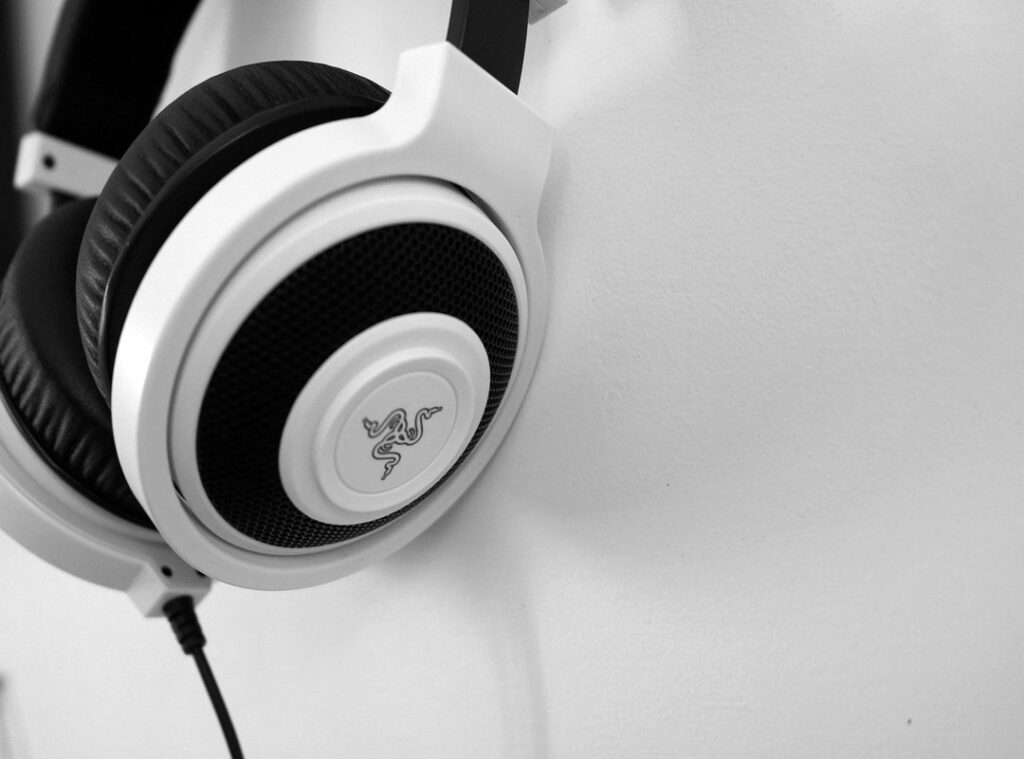
Most gamers know the frustration of poor audio quality. It ruins the experience.
I’ve been there. You’re in the zone, and then the sound cuts out or sounds flat. This is where game sound design comes in.
Audio design isn’t just about sound effects. It shapes the entire gaming experience. The right sound can pull you in, make you feel every moment, and keep you on the edge of your seat.
Yet, many players overlook this key aspect. They settle for mediocre audio, missing out on the immersive worlds developers create.
With deep takeaways into gaming trends, I’m here to change that. This article aims to educate you on the importance of audio design in gaming.
You’ll learn why sound matters, how it enhances gameplay, and what to look for in a game’s sound design. Ready to dive into the world of audio? Let’s get started.
Game Sound Design: The Heartbeat of Gameplay
Game sound design. It’s not just background noise. It’s the pulse of every gaming experience, setting the mood and driving the action.
You’ve got sound effects, music, and yes, those iconic voiceovers that stick with you (hello, Mario’s “It’s-a me!”). These elements come together to create an immersive world that draws you in deeper.
But why does it matter? Because sound design isn’t just about filling space. It’s about enhancing the story and making you feel something.
Imagine playing a horror game without the eerie creaks and whispers. Not the same, right? The audio pulls you into the narrative, heightening tension and excitement.
Look at The Last of Us or Hellblade: Senua’s Sacrifice. These games excel in audio design. They use sound to weave emotional storytelling and gameplay into a cohesive whole.
The use of binaural audio in Hellblade is a game-changer (pun intended). It makes every whisper and scream feel personal, as if they’re happening in your own head.
Now, what tools make this magic happen? Well, there are digital audio workstations like Pro Tools and Logic Pro. Then you’ve got middleware like Wwise and FMOD (the unsung heroes).
These technologies allow designers to create complex audio landscapes without needing to code everything from scratch.
In short, game sound design is the unsung hero of gaming. It’s the difference between a game that’s just played and a game that’s truly lived. So next time you dive into a virtual world, take a moment to appreciate the sounds that make it come alive.
They’re more key than you might think.
Sound: The Secret Weapon in Gaming
Ever notice how game sound design pulls you right into another world? It’s like magic. I mean, imagine playing a horror game without the creepy, atmospheric sounds.
Just visuals, and it’s not nearly as terrifying. Audio crafts an immersive environment that visuals alone can’t match.
In games, sound cues are not just for ambiance. They’re key for gameplay mechanics. Hear that soft whistle?
It might just signal an enemy approaching. It’s fascinating how these sound cues aid players in making split-second decisions. Without them, you’d be stumbling around, clueless.
Ever played a game where you react instinctively to a gunshot or a growl? That’s sound working its magic.
Psychologically, sound affects emotions deeply. A well-timed musical swell can make you feel triumphant or terrified. Think about it: a heroic score as you save the day or eerie silence before a jump scare.
That’s pure audio artistry. Emotional engagement in games often hinges on sound. The right audio can lock you in or leave you cold.
Take “The Last of Us.” The subtle sound of a clicker in the distance ramps up tension instantly. It’s a game where sound is not just an enhancement but a narrative tool. Feeling the game, not just seeing it, makes all the difference.
For those curious about how games evolve from a concept to console journey, sound is a core element in that transformation. It’s no wonder that great games don’t just look good (they) sound amazing too.
Crafting Immersive Game Sound: Not an Afterthought
I’ve got to say it: game sound design is often underestimated. Yet, it’s the secret sauce that can make or break the gaming experience. So, how do you design killer game audio?
It starts with a detailed audio plan (think) of it as your roadmap. Begin by identifying the core sounds that will drive your narrative and gameplay. You don’t want players muting your game because the audio annoys them, right?
Balance is key. Too much bass, and you’ll drown out dialogue. Too many sound effects, and the music gets lost.
Finding that sweet spot requires a sharp ear. Integrate audio so seamlessly that it feels like a natural extension of the game. It’s not just about slapping on some background music.
It’s about weaving sound into the fabric of gameplay.
Ever played a game where the sound effects were over-the-top or out of place? That’s a common pitfall. Avoid it by considering the context.
Does a door creak add suspense, or does it weirdly interrupt a scene? Think like a player.
And hey, if you’re diving into game audio, check out matt fisher. His work is a solid example of blending audio with gameplay. Learn from the pros.
Pro tip: Test your audio on different devices and sound systems. What works on headphones might not translate well to speakers. Game audio isn’t just about filling silence.
It’s an art that enhances storytelling, keeps players engaged, and screams quality.
So, what’s your game missing? Maybe it’s time to turn up the volume.
Game Sound Design: The Next Level
The future of audio in gaming is going to blow your mind. We’re on the brink of some wild tech leaps. AI and machine learning are reshaping how we think about game sound design.
Imagine games that adapt their audio in real time based on your actions. It’s not just fantasy anymore. This tech can create environments that feel alive, with soundscapes that react as you do.
You can’t just slap on a stereo track and call it a day. You need 3D audio that makes you feel like you’re really there.
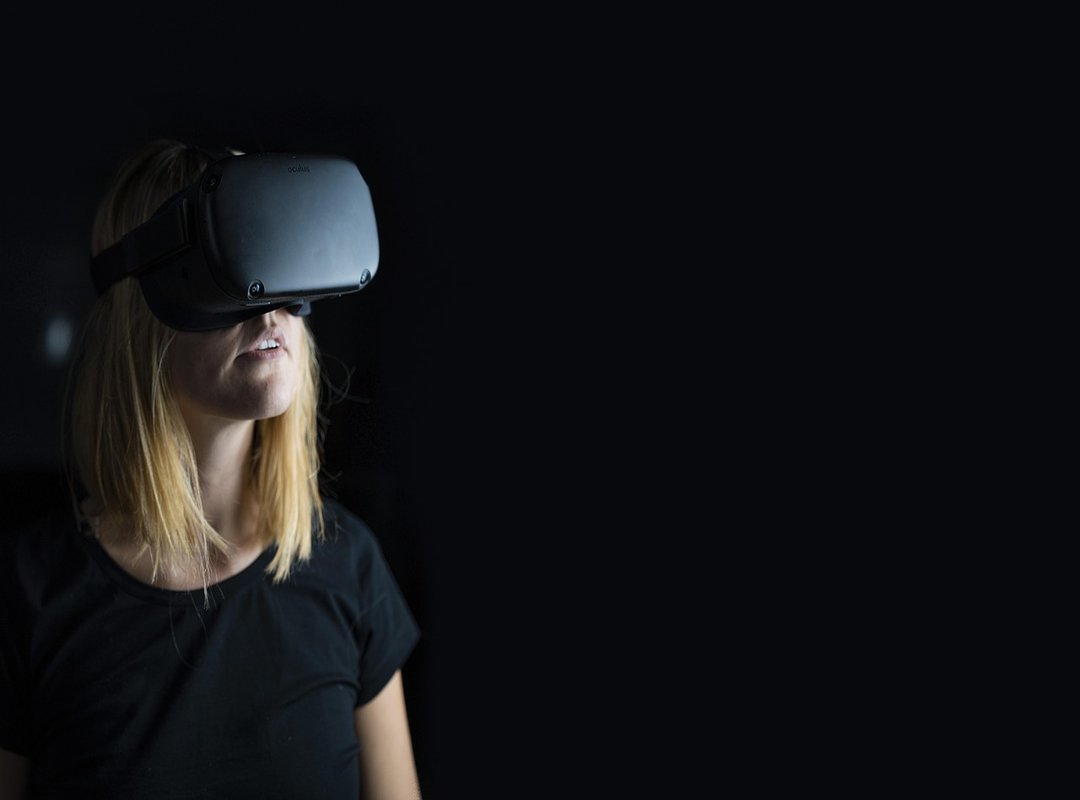
Virtual reality is another beast. It demands a whole new level of audio design. In VR, sound isn’t just about immersion; it’s key for navigation and interaction.
These advancements aren’t just technical upgrades. They’re changing how we experience stories in games. Speaking of stories, if you’re into the Art Of Game Storytelling, audio is key.
It sets the tone, builds tension, and brings characters to life.
Pro tip: Keep an ear on indie developers. They’re often the first to push boundaries and experiment with new audio tech. The future of gaming sounds like nothing we’ve heard before.
And I can’t wait.
Raise Your Gameplay with Audio
High-quality audio design isn’t just a nice-to-have. It’s important for an immersive gaming experience.
When I dive into a game, I want to feel every explosion and hear every whispered secret. You should too.
Game sound design enhances gameplay in ways you might not even notice at first. But once you experience it, you won’t want to go back.
Think about the last game that blew you away. Wasn’t the sound a huge part of it?
Pay attention to the audio next time you play. Appreciate the effort that goes into designing those soundscapes.
If you’re serious about leveling up your gaming experience, explore games known for their incredible audio. Try something new.
Don’t settle for mediocre sound. Embrace the games that put audio first.
Get out there and discover what superior sound design can do for you. You’ll thank yourself later.
 pancake776 has opinions about gaming culture. Strong ones, usually backed by actual experience instead of detached commentary from the sidelines. They covers Game Development Practices, Gamer Lifestyle Essentials, and Gaming Innovations with a perspective that feels unusually grounded compared to much of modern gaming media. pancake776 seems genuinely interested in the relationship between players and games — not just what people are playing, but why certain systems, communities, and experiences continue to matter over time.