
I used to think all gaming keyboards were the same.
Then I missed a headshot because my keys stuck.
You’ve been there too. That split-second delay. The wrist ache after two hours.
The frustration of buying something expensive that just feels wrong.
Which Gaming Keyboard Is Best Pmwgamegeek?
Yeah, you’re asking that right now.
There are hundreds of options. RGB lights everywhere. Switches named after food (Cherry MX Red?
Blue? Brown? What even is that?).
It’s overwhelming. And most guides don’t tell you what actually matters for your games.
I’ve tested over forty keyboards. Not just for specs. For real use.
FPS. MOBA. RPG.
Typing long emails between matches.
This isn’t about “best” in some lab test. It’s about what fits your fingers. Your games. Your budget.
No fluff. No jargon. Just straight talk on switches, layout, build, and why one keyboard might wreck your aim while another makes it feel effortless.
By the end, you’ll know exactly what to buy. Not what some influencer told you to want. You’ll walk away knowing how to pick your perfect keyboard.
Not someone else’s.
Mechanical or Membrane? Pick One.
I tried both. I stuck with mechanical. You probably should too.
Which Gaming Keyboard Is Best Pmwgamegeek? I checked Pmwgamegeek before buying my last one. They test real keyboards.
Not just specs.
Mechanical means each key has its own switch. You feel it. You hear it.
That click or bump tells you the key registered. No guessing.
Membrane keyboards use one rubber sheet under all keys. It’s cheap. It’s quiet.
It’s also mushy and slow when you’re trying to double-tap a skill.
Cherry MX Reds? Fast. Light.
Great for fast-paced games. Cherry MX Blues? Loud.
Clicky. Satisfying. But your roommate will hate you.
Cherry MX Browns? A middle ground. Tactile but not noisy.
You don’t need fancy switches to start. A basic brown or red board works fine.
Budget matters. A decent membrane keyboard costs $20. A decent mechanical starts around $50.
But I’ve had the same mechanical board for six years. My old membrane died in nine months.
Noise level? Be honest. Do you game with headphones on.
Or do you share a room?
If you’re serious about response time, skip membrane. It’s not worth the savings.
You want speed and feedback? Go mechanical. You want silence and low cost?
Membrane works. But you’ll notice the difference the first time you miss a jump because the key didn’t register.
Wired or Wireless: What’s Actually Worth Your Time
I used a wired keyboard for three years straight. No lag. No battery panic.
Just press a key and it happens.
Then I switched to wireless. My desk looked cleaner. But I missed that instant response during ranked matches.
(Yeah, I noticed.)
Wired keyboards win for competitive play. No input lag. No dropouts.
No charging anxiety.
Wireless keyboards work fine for casual use. You get portability. A tidy desk.
Less cable clutter. But you pay more. And you remember to charge it.
Which Gaming Keyboard Is Best Pmwgamegeek?
It depends on what you do. Not what looks cool.
If you’re chasing sub-20ms reaction times, wired is still the move.
If you game from the couch or hate cables everywhere, wireless makes sense.
I keep both. One for tournaments. One for everything else.
You don’t need to pick forever. Just pick for right now.
What Actually Matters in a Gaming Keyboard
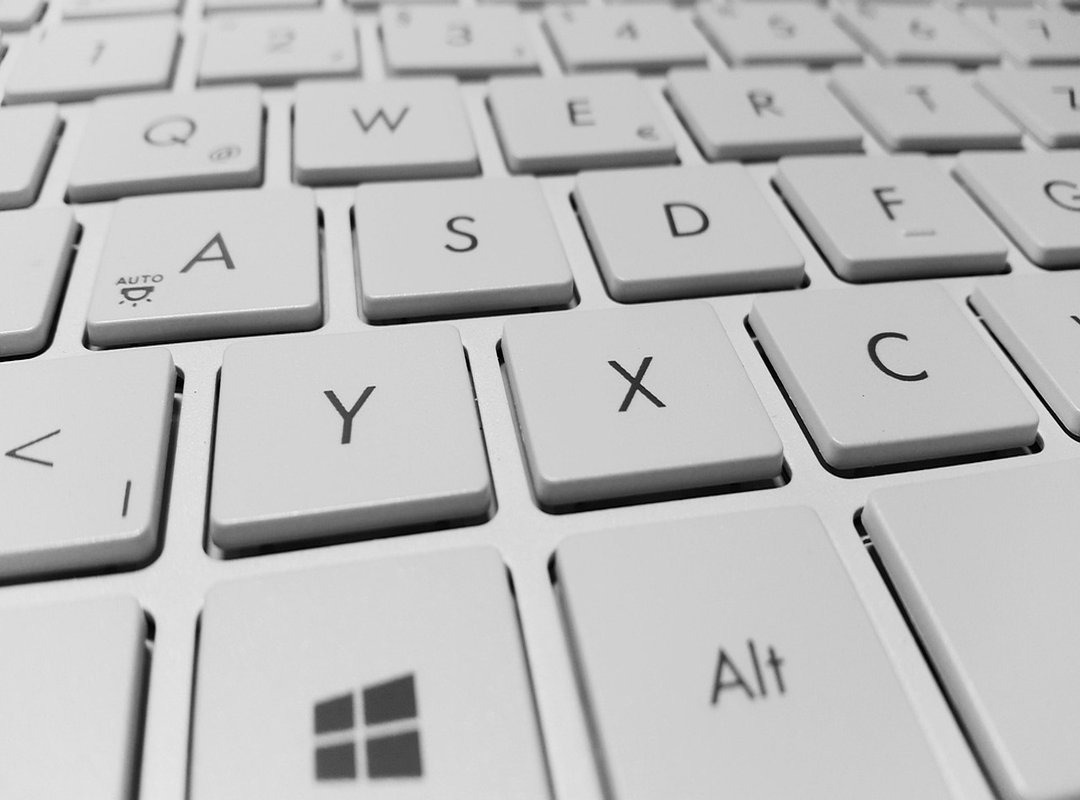
N-key rollover means the keyboard registers every key you press at once. No missed inputs during frantic combos. Anti-ghosting stops phantom presses when three or more keys are down.
You’ve felt it. That one skill just didn’t fire. That’s ghosting.
Programmable keys let you map full sequences to one button. Like binding “jump + grenade + reload” to F12. It’s not cheating.
It’s saving your fingers and your focus.
Backlighting helps in dark rooms. RGB looks cool, but single-color works fine if you just need visibility. It’s nice-to-have.
Not make-or-break.
Dedicated media keys? Yes. Muting Discord mid-fight without alt-tabbing is real quality of life.
(And yes, I’ve rage-quit over volume sliders.)
Wrist rests matter more than you think. Two-hour boss fights get brutal without support. They’re not luxury.
They’re injury prevention.
Which Gaming Keyboard Is Best Pmwgamegeek? I dug into that exact question over at Which gaming gear is the best pmwgamegeek. No fluff.
Just what holds up after 100+ hours.
You don’t need every feature. You need the ones that stop you from losing. What’s your non-negotiable?
Keyboard Size: What Fits Your Desk and Hands
I use a 60% keyboard. It sits right where my mouse needs to be. You probably care more about elbow room than key count.
Full-size keyboards have a numpad. Great if you crunch numbers or play games like StarCraft that map commands there. They also eat half your desk.
TKL drops the numpad. More space for your mouse. Less weight to carry to LAN parties.
But you lose dedicated keys. You’ll remap or learn Fn combos.
60% shrinks further. No function row. No arrow cluster.
You gain portability and minimalism. You lose muscle memory. It takes weeks to stop hunting for PgUp.
Which Gaming Keyboard Is Best Pmwgamegeek? Depends on what you do (not) what looks cool.
Gaming? Check your titles. Some need numpad keys.
Work? Ask yourself: how often do you type numbers without copy-paste?
Desk too small? TKL or 60% wins. Big desk and heavy spreadsheet use?
Full-size stays.
You don’t need all the keys. You need the ones you actually press.
If you’re building a full setup, you might also wonder What gaming router should i buy pmwgamegeek.
Your Keyboard Choice Starts Now
I’ve tried dozens of keyboards. Some made my fingers ache. Others felt like typing on gravel.
You don’t need the “best” one. You need the one that feels right when you’re mid-boss-fight and your adrenaline’s spiking.
Which Gaming Keyboard Is Best Pmwgamegeek isn’t a question with one answer. It’s a question only you can answer. Mechanical or membrane?
Wired or wireless? Full-size or 60%? Those aren’t specs (they’re) trade-offs.
You’ll pick speed over silence. Or comfort over portability. Or budget over RGB.
You already know what bugs you. That laggy wireless delay. The mushy keys that double-register.
The wrist rest that slides off every five minutes. That’s your signal. Listen to it.
Don’t scroll another ten review pages. Don’t wait for a “perfect” pick. Go touch one.
Visit a store. Try the switches. Feel the weight.
Type your real-game macros.
Your hands remember what your eyes skip.
You want better performance. You want less frustration. You want to stop thinking about your gear.
And start playing.
So pick one. Not the fanciest. Not the most expensive.
The one that makes you forget you’re using a keyboard at all.
Start today.
Your next match is waiting.
 healer_teapot writes the kind of competitive gaming content that players end up thinking about long after they close the tab. Not because the writing is overly dramatic or filled with forced “pro gamer” energy, but because healer_teapot has a very sharp understanding of the small decisions that separate average play from genuinely intelligent play. They covers Competitive Play Insights, Gaming Innovations, and Genre Exploration with the mindset of someone who has spent years paying close attention to how games actually function beneath the surface.